
Sheki
Discover Sheki, one of Azerbaijan’s most beautiful historical cities. Explore nature, tourist attractions, Sheki Khan’s Palace, and the best time to visit Sheki.
Overview
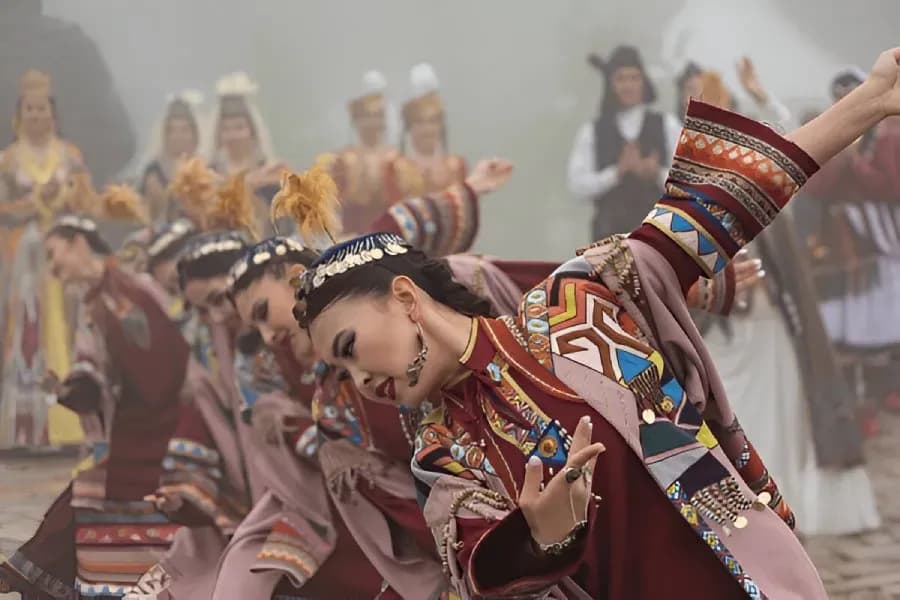
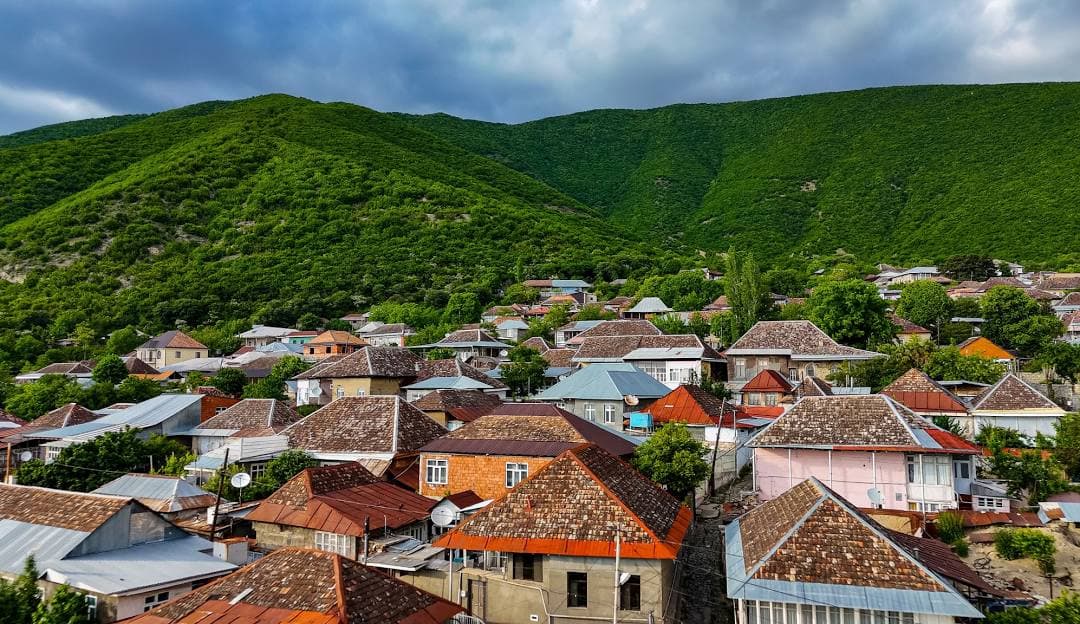
Sheki is one of the most picturesque and culturally rich cities in Azerbaijan, located on the southern slopes of the Greater Caucasus Mountains. Historically an important stop on the ancient Silk Road, Sheki developed as a center of trade, craftsmanship, and architecture. The city is famous for its well-preserved old town, traditional houses with colorful stained-glass windows, and strong local traditions. Today, Sheki attracts travelers seeking authentic culture, history, and mountain scenery, making it one of the highlights of northern Azerbaijan tourism.
Nature
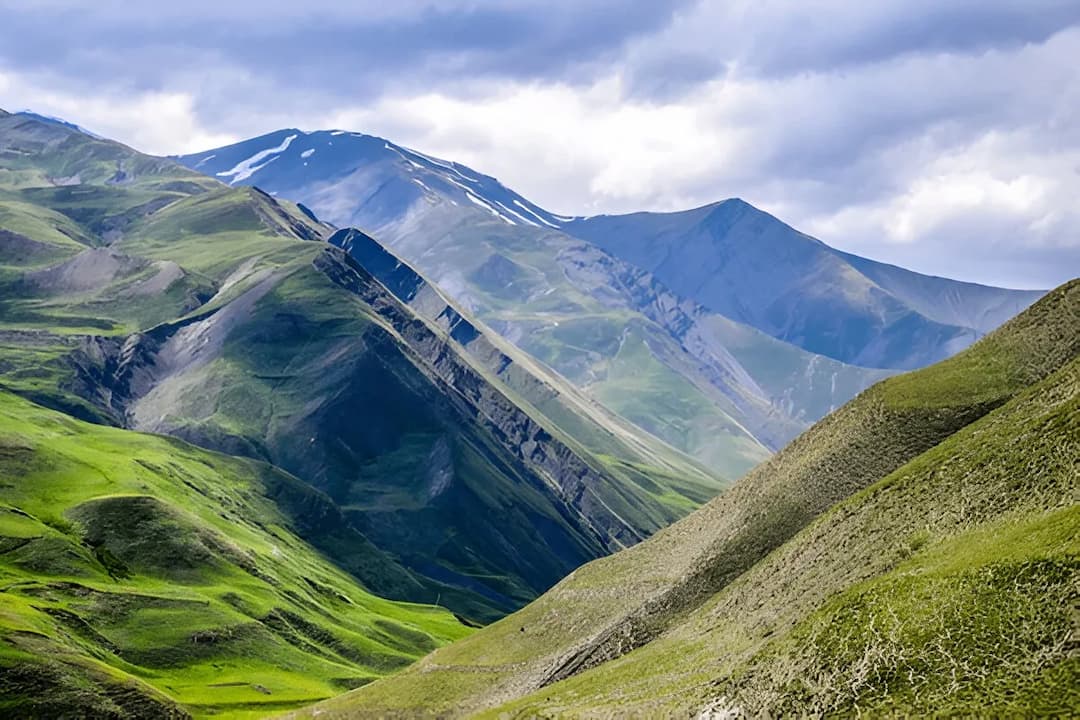
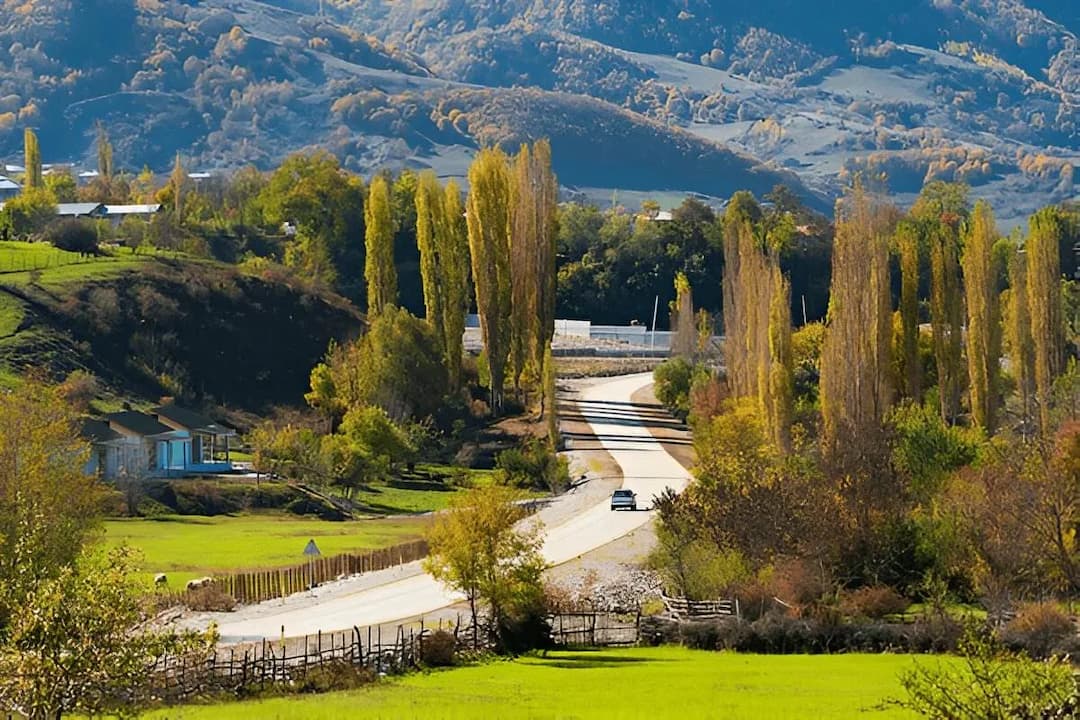
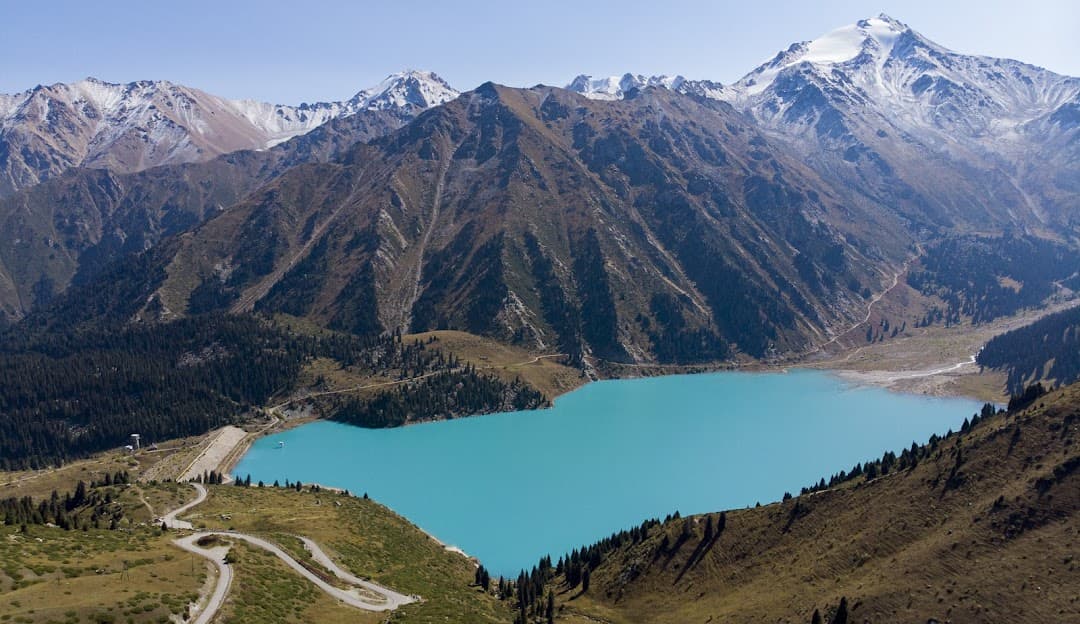
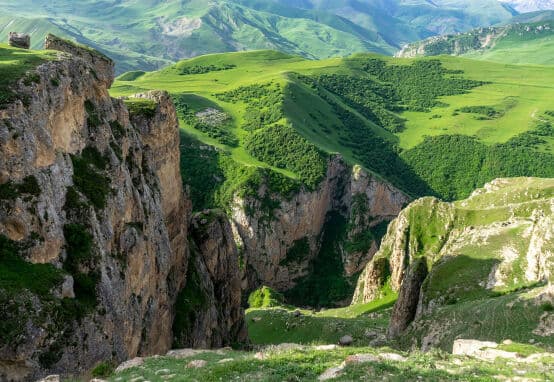
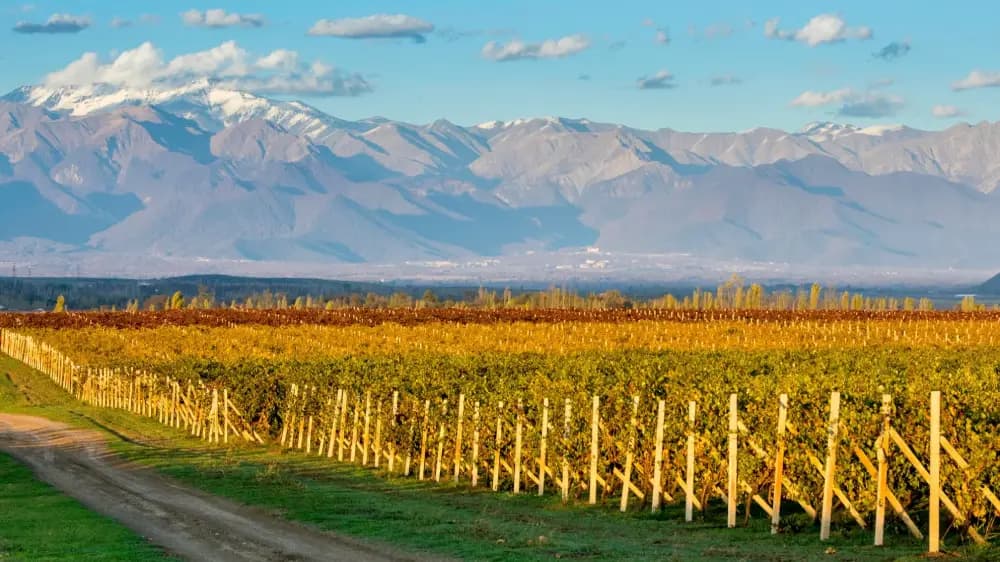
Sheki is surrounded by forested mountains, rivers, and green valleys that create a refreshing and scenic environment. The region enjoys a mild mountain climate with clean air and rich vegetation, especially in spring and summer. Walking through Sheki’s natural surroundings offers panoramic views of the Caucasus Mountains and peaceful countryside landscapes. Nearby villages and mountain paths are ideal for eco-tourism, light hiking, and photography. The harmony between nature and traditional architecture is one of Sheki’s most distinctive features.
Tourist Sights
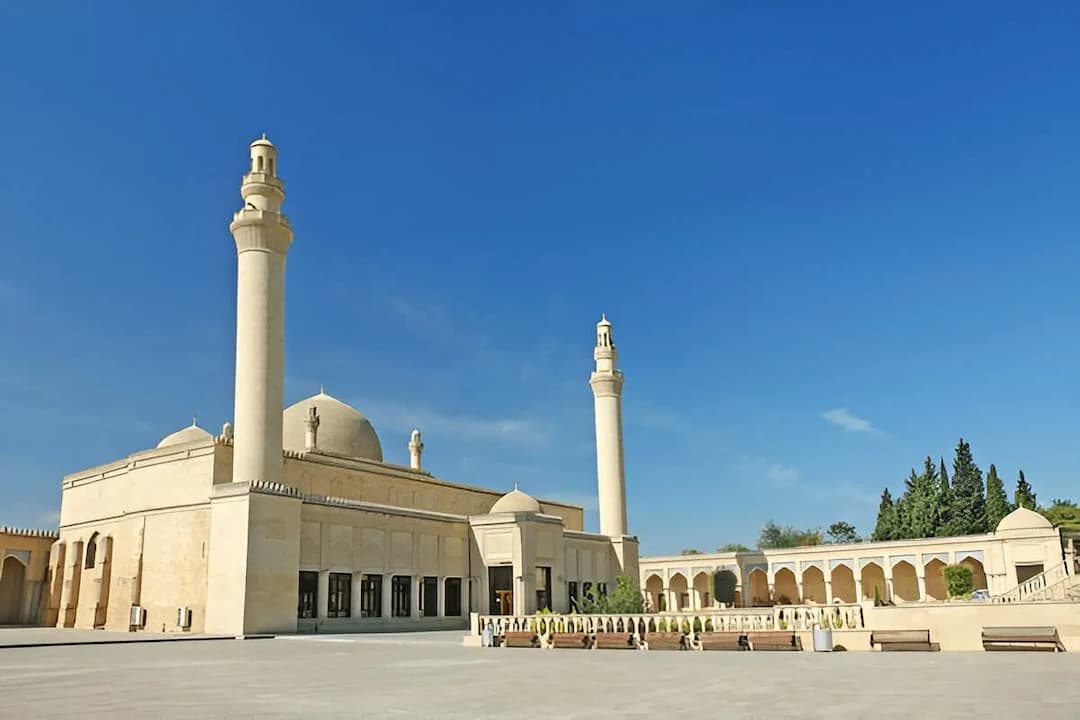
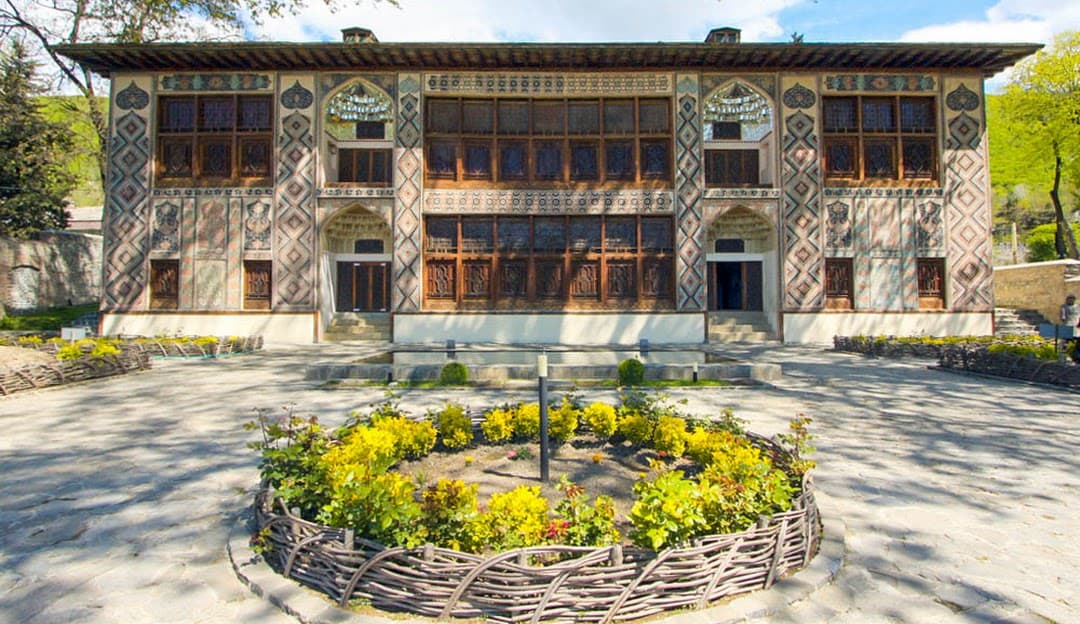
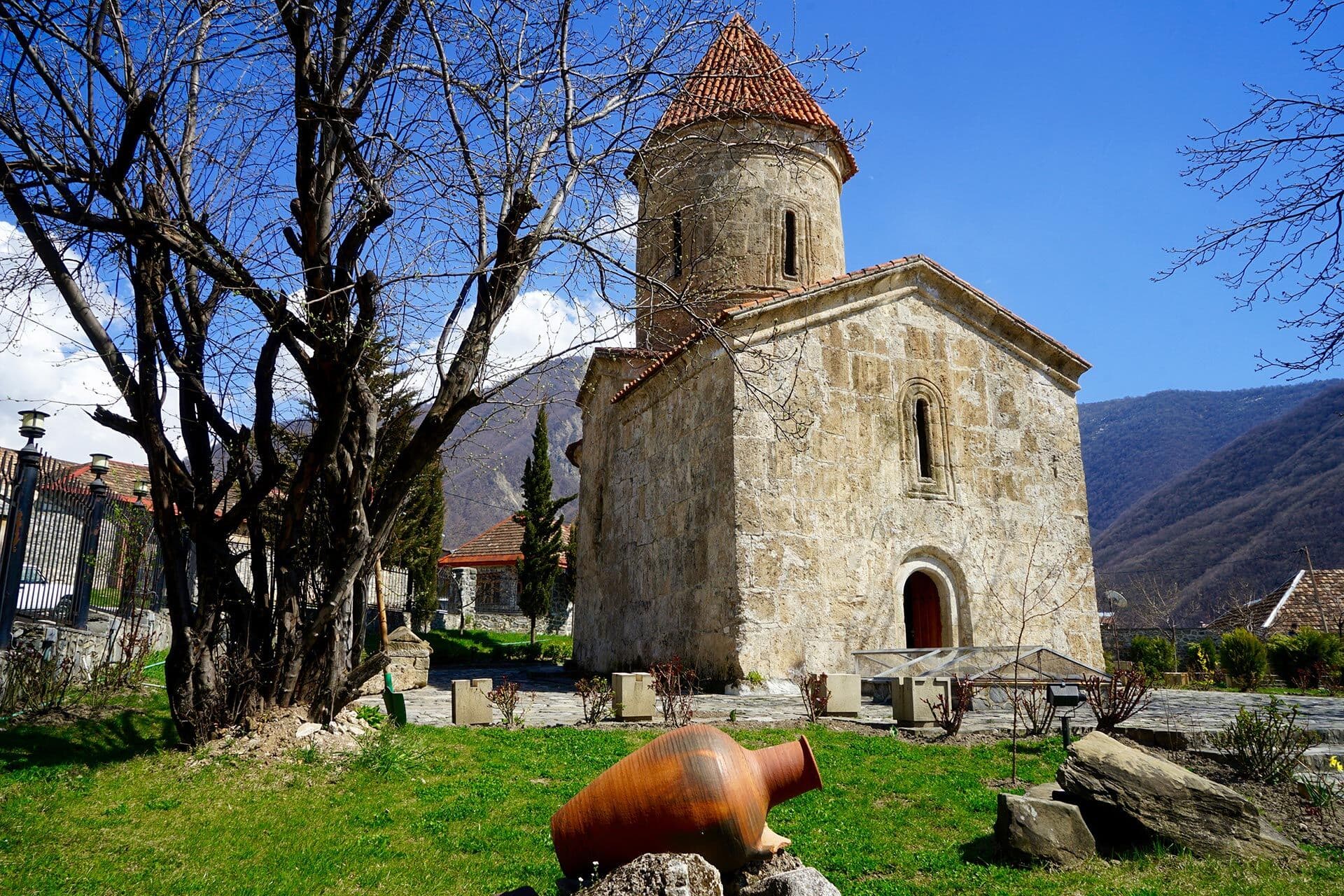
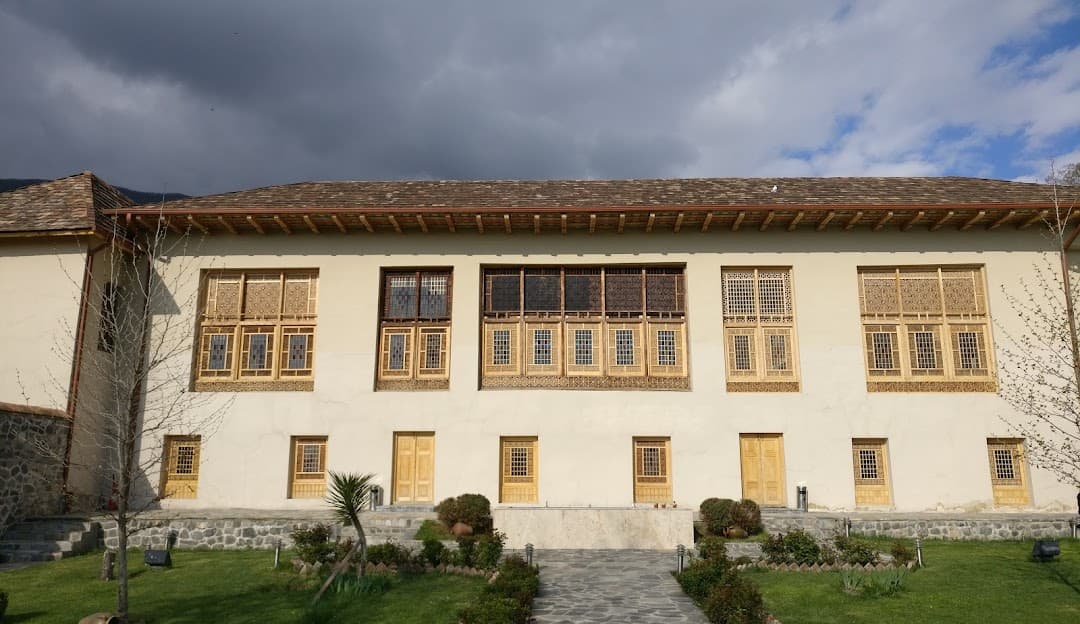
Sheki is home to some of Azerbaijan’s most impressive historical and architectural landmarks. The Sheki Khan’s Palace, a UNESCO World Heritage Site, is the city’s most iconic attraction, famous for its exquisite frescoes and stained-glass windows made without nails or glue. The historic Caravanserais, once used by Silk Road merchants, now serve as cultural landmarks and boutique accommodations. Visitors can also explore the Old City of Sheki, local museums, and traditional craft workshops. Sheki is also well known for its local cuisine, especially Sheki halva, which is an essential part of the visitor experience.
Best Time to Visit
The best time to visit Sheki is from April to June and September to October, when the weather is mild and ideal for sightseeing and outdoor activities. Spring brings fresh greenery and blooming landscapes, while autumn offers comfortable temperatures and beautiful colors. Summer is popular due to the cooler mountain climate compared to lowland regions, while winters can be cold and snowy, appealing mainly to travelers who enjoy quiet cultural trips.